What's Erik up to?

I joined Better in early 2015 because I thought the team was crazy enough to actually change one of the largest industries in the US. For six years, I ran the tech team, hiring 300+ people, probably doing 2,000+ interviews, and according to GitHub I added 646,941 lines of code and removed 339,164. But I also got married, had two kids, bought an apartment and renovated it! From time to time, there was some intense periods of hard work.

Read more…

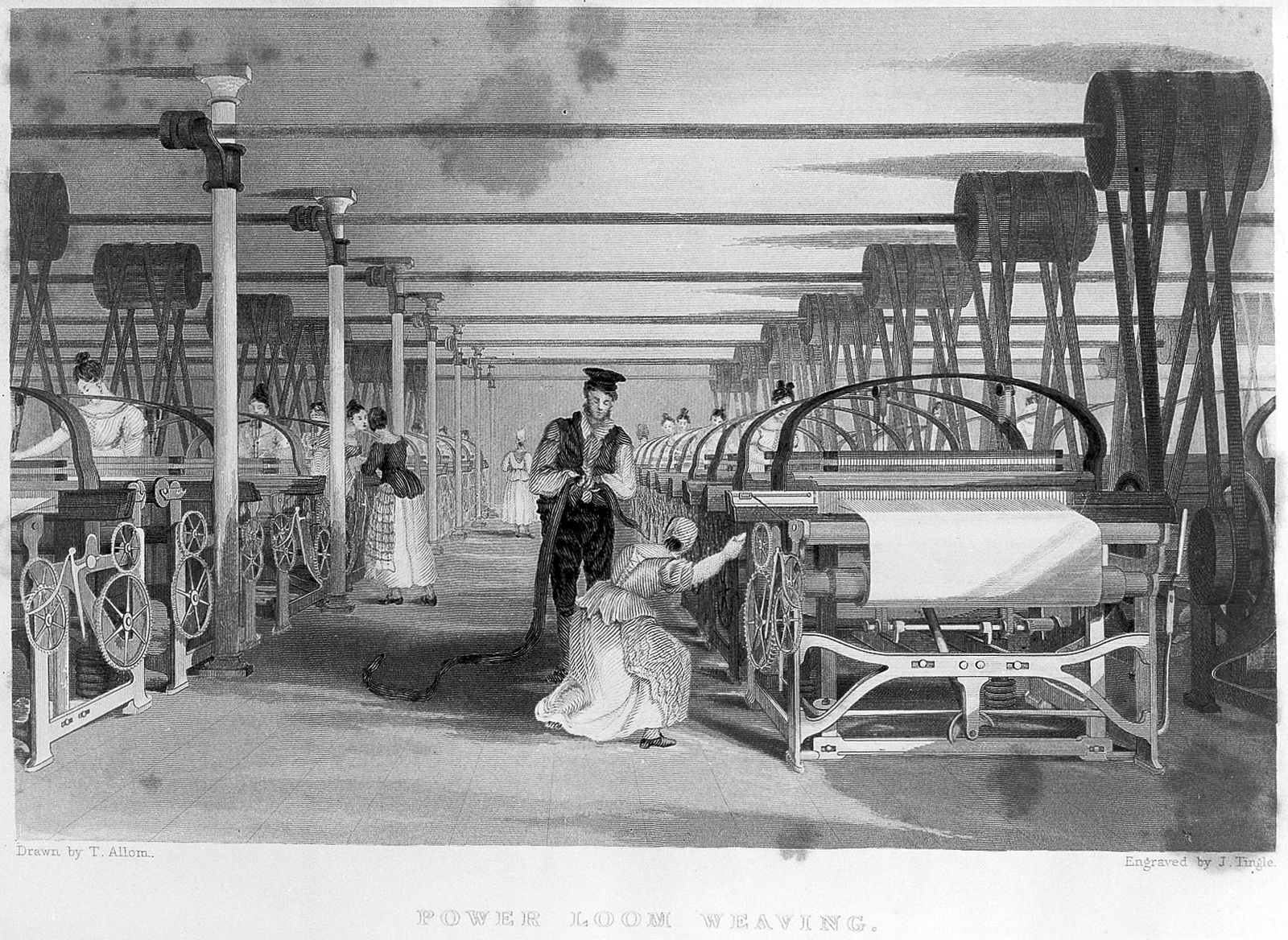
Giving more tools to software engineers: the reorganization of the factory

power loom

It’s a popular attitude among developers to rant about our tools and how broken things are. Maybe I’m an optimistic person, because my viewpoint is the complete opposite! I had my first job as a software engineer in 1999, and in the last two decades I’ve seen software engineering changing in ways that have made us orders of magnitude more productive. Just some examples from things I’ve worked on or close to:

Read more…

Developer experience as a competitive advantage

I spent a ton of time looking at different software providers, both as a CTO, and as a nerd “advanced” consumer who builds stuff in my spare time. In the last 10 years, there has been an order of magnitude more products that cater directly to developers, through APIs, SDKs, and tooling. I’m pretty psyched about this trend. As the cost of building software goes down, that drives up the demand for software engineers. That then drives up the demand for even more products built for software engineers. That then drives down the cost of building software even more!

Read more…

Never attribute to stupidity that which is adequately explained by opportunity cost

Hanlon’s razor is a classic aphorism I’m sure you have heard before: Never attribute to malice that which can be adequately explained by stupidity.

I’ve found that neither malice nor stupidity is the most common reason when you don’t understand why something is in a certain way. Instead, the root cause is probably just that they didn’t have time yet. This happens all the time at startups (maybe a bit less at big companies, for reasons I’ll get back to).

Read more…

What can startups learn from Koch Industries?

I recently finished the excellent book Kochland. This isn’t my first interest in Koch—I read The Science of Success by Charles Koch himself a couple of years ago.

Charles Koch inherited a tiny company in 1967 and turned it into one of the world’s largest ones. That’s impressive! Just a quick disclaimer just to get it out of the way. You may know the Koch brothers as the climate deniers who funded the Tea Party. I don’t understand this disconnect between being so brilliant in one field, and extremely ignorant in another. But my curiosity tells me there’s something worth learning from most notable people, despite what I may think of their opinions and Koch Industries turns out ot be a particularly interesting case study.

Read more…